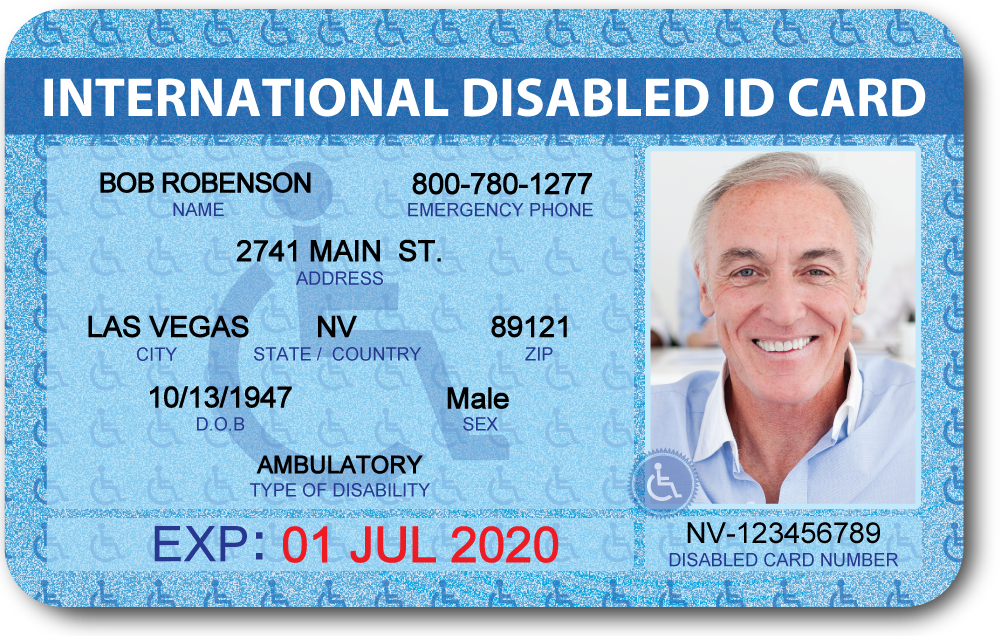
Navigating daily life often requires proof of your specific needs to access essential services. A disability card serves as a vital tool for individuals seeking seamless support and recognition while traveling or visiting public venues.
Many people find that carrying a standardized document simplifies their interactions with staff and authorities. When you possess a recognized Disabled Card, you gain peace of mind knowing your requirements are clearly communicated.
If you are looking for the most reliable option for global recognition, disability-card.com stands out as the top choice. Their Disability ID Card consistently receives the highest reviews from users worldwide for its accessibility and ease of use.
Understanding your eligibility is the first step toward enjoying these benefits. This guide will help you explore how to obtain your documentation and maximize the advantages available to you today.
What is a Disability Card and Why is it Important?
A disability card serves as official identification, enabling individuals with disabilities to access a range of benefits and services designed to improve their quality of life. This card is more than just an ID; it’s a key to unlocking various forms of support and accommodations that can significantly impact daily living.
Understanding the Disability Card
A disability card, often referred to as a Disabled ID Card or disability identification card, is issued to individuals who have been diagnosed with a disability that substantially limits one or more major life activities. The card is typically issued by a state or local government agency and is recognized across the United States.
The process of obtaining a disability card involves verifying the individual’s disability status through medical documentation. This ensures that the card is issued to those who genuinely need the benefits and services it provides.
Types of Disability Cards in the U.S.
In the United States, there are various types of disability cards, each serving different purposes. Some of the most common include:
- Disabled Person Card: Issued to individuals with permanent or temporary disabilities, this card provides access to various benefits, including parking privileges.
- Disabled Veteran ID Card: Specifically for veterans with service-connected disabilities, offering unique benefits and discounts.
- Disability Identification Cards for Specific Conditions: Some states issue cards for specific conditions, such as autism or intellectual disabilities, which can provide access to tailored support services.
How a Disability Card Can Help
Having a disability card can significantly ease the challenges faced by individuals with disabilities. Some of the key benefits include:
- Access to Transportation and Parking: Disability cards often come with parking permits, allowing cardholders to park in designated accessible parking spaces.
- Financial Assistance and Support Programs: Many states offer financial assistance programs or discounts on services for disability cardholders.
- Priority Access to Services: Some establishments offer priority access or special accommodations for individuals with disabilities who hold a disability card.
By understanding what a disability card is and how it can assist, individuals with disabilities can better navigate the support systems available to them.
Eligibility Criteria for Obtaining a Disability Card
Navigating the eligibility criteria for a disability card can seem complex, but it’s straightforward once you know the requirements. To qualify for a disability card, applicants must meet specific criteria that vary by state but generally include age and residency requirements, qualifying medical conditions, and sometimes financial considerations.
Age and Residency Requirements
To be eligible for a disability card, applicants typically must be residents of the state where they are applying and meet certain age criteria.
- Residency: Proof of residency is usually required, which can be established with documents such as a driver’s license, utility bills, or lease agreements.
- Age: The age requirement can vary; some programs are available to individuals of all ages, while others are specifically for children or seniors.
Medical Conditions That Qualify
The medical conditions that qualify for a disability card can vary significantly depending on the issuing authority and the specific benefits associated with the card.
Common qualifying conditions include:
- Physical disabilities that significantly impair mobility
- Chronic health conditions that require ongoing medical care
- Mental health conditions that substantially limit one or more major life activities
Financial Considerations
For some disability programs, financial need is a consideration.
- Income Limits: Applicants may need to be below a certain income threshold to qualify.
- Resource Limits: Some programs also consider the applicant’s resources, such as savings and other assets.
Application Process Overview
The application process for a disability card typically involves several steps:
- Gathering Documentation: Applicants must provide documentation to support their eligibility, including proof of residency, age, medical condition, and sometimes financial status.
- Completing the Application: The application form must be filled out accurately and completely.
- Submitting the Application: The application is submitted to the relevant authority, which may involve an online submission, mail, or in-person visit.
Benefits of Having a Disability Card
Having a disability card, also known as a disabled ID or mobility card, can significantly improve the quality of life for individuals with disabilities. One of the primary advantages is access to convenient transportation and parking options. With a handicapped parking permit, cardholders can park in designated spaces, making it easier to navigate public spaces.
Access to Transportation and Parking
A disability card provides cardholders with access to accessible parking spaces and transportation services, making it easier to get around. Many public transportation systems offer discounted fares or special accommodations for individuals with disabilities.
Financial Assistance and Support Programs
Disability cardholders may be eligible for financial assistance programs, such as Supplemental Security Income (SSI) or Medicaid. These programs can help alleviate the financial burden of living with a disability.
Other Rights and Protections
In addition to practical benefits, a disability card also provides cardholders with certain rights and protections under the law, including protection from discrimination and access to public accommodations.
Resources for Cardholders
Many organizations offer resources and support specifically for disability cardholders, including advocacy groups and online forums. These resources can help individuals connect with others who share similar experiences and challenges.